Planning a wedding involves countless details, but one of the most critical is food and drink. After all, your guests’ enjoyment depends heavily on how well they’re fed and hydrated. Yet many couples struggle to answer one key question: how much food and drink should we provide?
At Augmented Arts Weddings, we’ve helped countless couples navigate the logistics of catering and beverage planning. From intimate gatherings to large-scale celebrations, knowing the right quantities ensures everyone leaves happy, without overspending or creating excessive waste.
In this blog, we’ll break down practical tips, guidelines, and expert advice to help you plan a menu and bar that satisfies your guests and fits your budget.
Why Accurate Food and Drink Planning Matters?
- Guest Satisfaction: Hungry or thirsty guests are rarely happy guests.
- Budget Management: Over-ordering is costly; under-ordering can be embarrassing.
- Smooth Flow: Proper timing of food and drink keeps the reception running smoothly.
- Photo Opportunities: Beautifully presented food and drinks create great opportunities for your wedding photographer to capture the day’s details.
Understanding Your Guest Count:
The first step in planning is knowing your guest list. Accurate numbers are crucial for estimating both food and beverages.
- Adults vs. Children: Children typically consume less, though older children may eat like adults.
- Special Diets: Account for vegetarians, vegans, and guests with allergies.
- High vs. Low Consumption: Some groups may enjoy more drinks or heartier meals.
By factoring in these variables, you can avoid surprises and ensure everyone is catered for appropriately.
Types Of Catering And How It Affects Quantities:
Your catering style heavily influences the amount of food and drink needed:
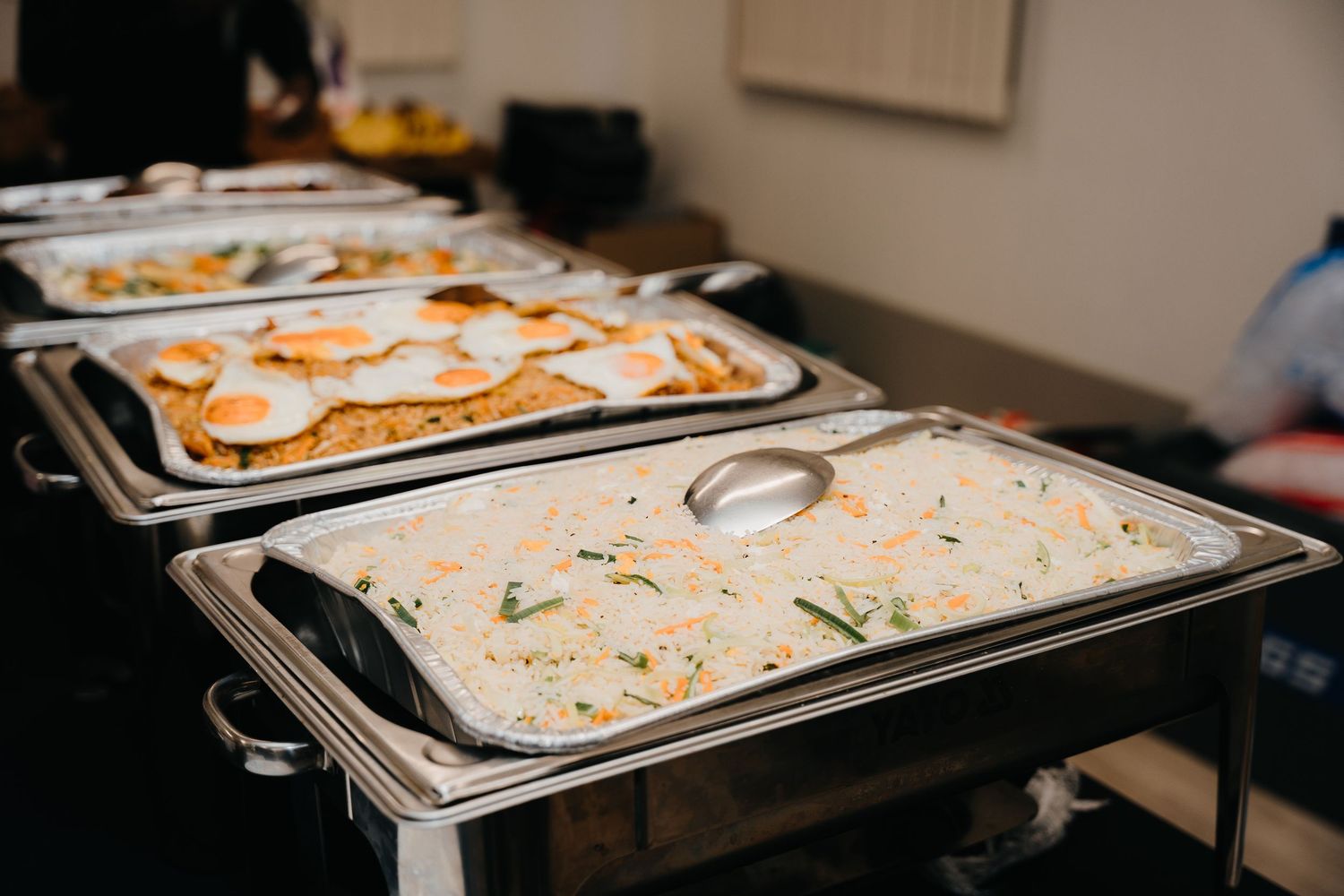
1. Buffet Style;
- Flexibility: Guests serve themselves, so quantities need to be slightly higher.
- Food Estimate: Plan for 1.5–2 servings per guest to ensure everyone gets enough.
- Popular Dishes: Include at least 1–2 vegetarian options, 1 protein option, and several sides
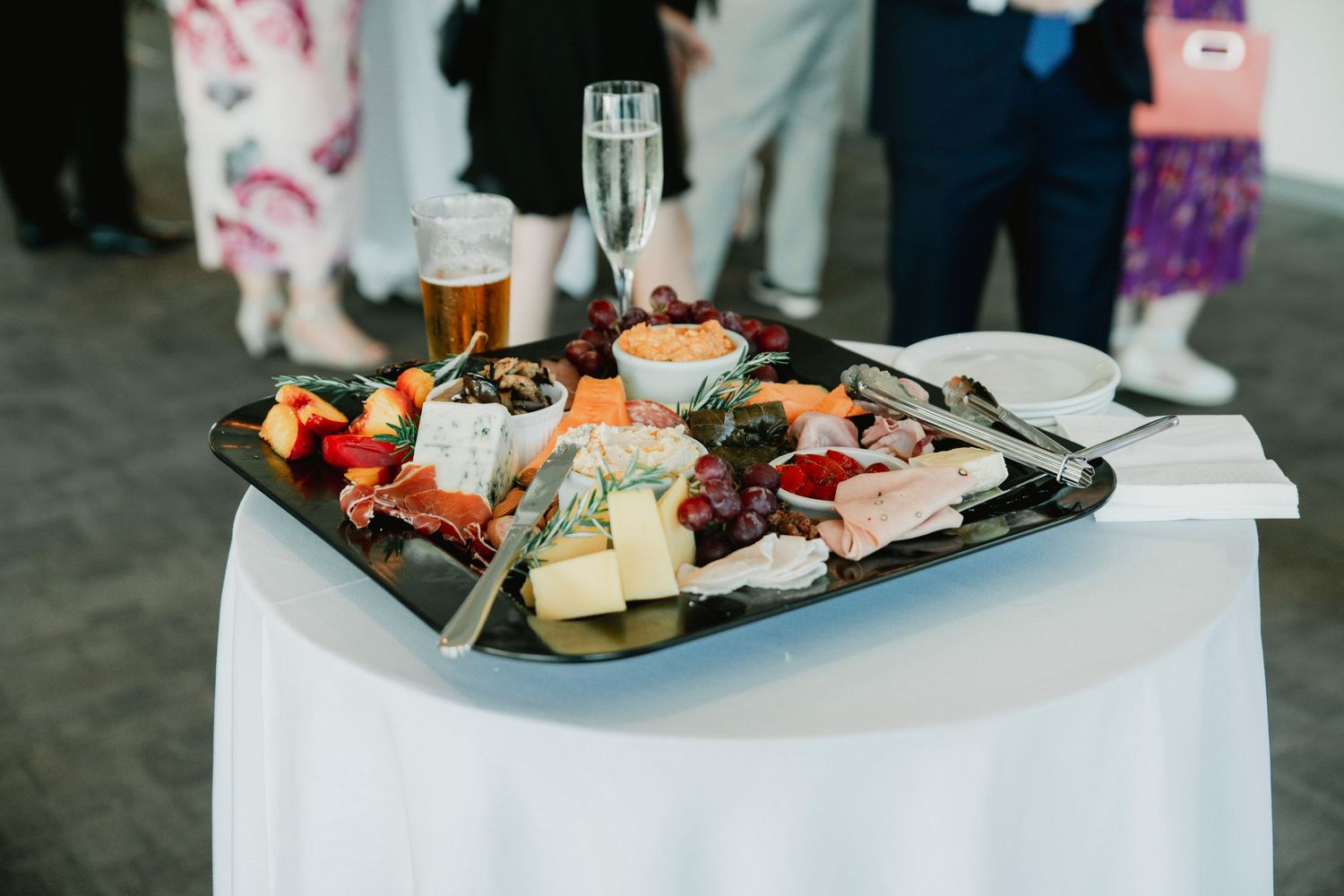
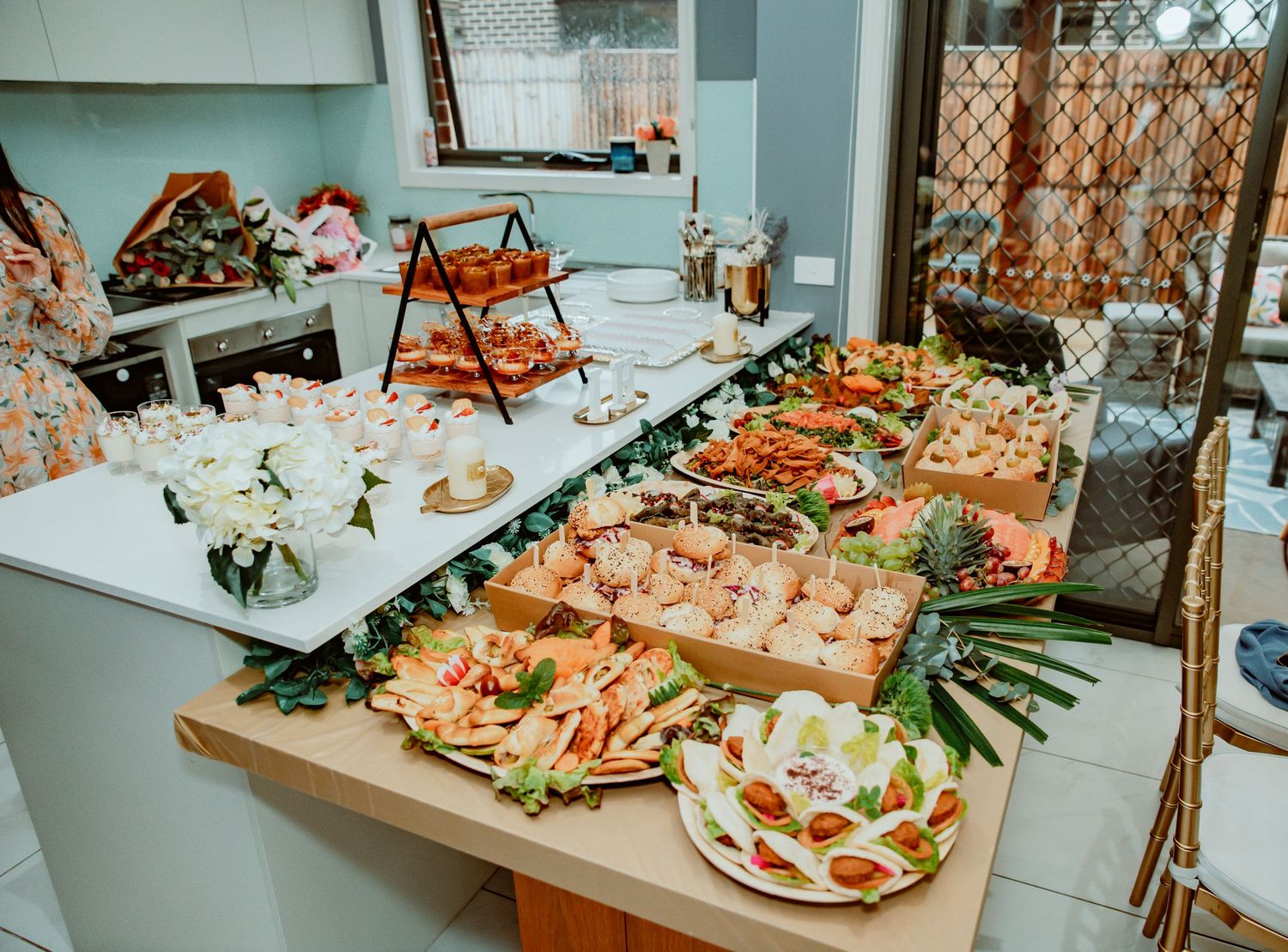
2. Plated Meals;
- Typical Servings: 1 appetizer, 1 main course, 1 dessert per guest.
- Portion Control: Easier to measure, as each guest receives the same portion.
- Food Estimate: Caterers usually provide 1–1.5 portions per guest, accounting for varying appetites.
3. Cocktail or Canape Style;
- Small Bites: Typically for shorter events or pre-reception gatherings.
- Food Estimate: 6–10 pieces per person per hour is a common guideline
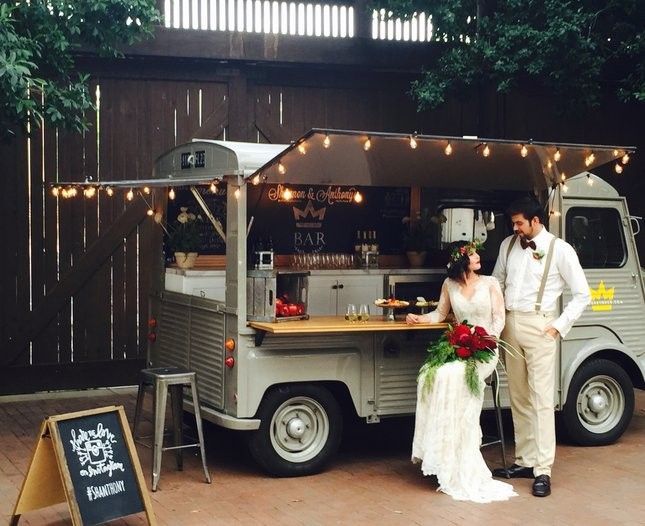
4. Food Stations or Food Trucks;
- Interactive Dining: Great for informal weddings.
- Food Estimate: Work with the caterer or vendor to calculate portions based on time, guest count, and serving style.
Estimating Drinks:
Beverage planning can be trickier than food. It depends on the duration of your event, type of alcohol, and guest preferences.
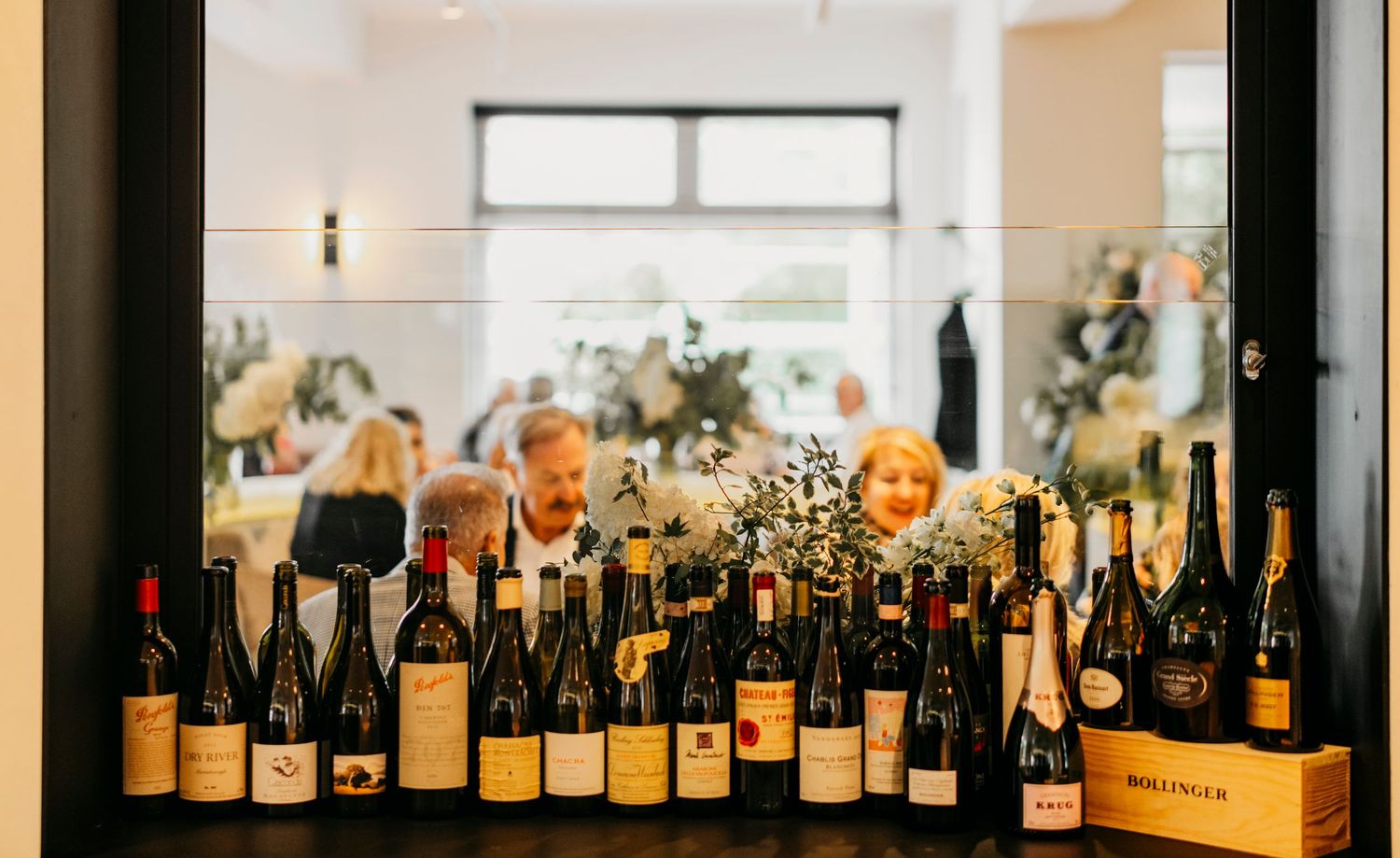
Standard Guidelines;
- Champagne/Prosecco: 1 glass per person for toasts.
- Wine: 1 bottle serves ~5 guests. Average ½ bottle per guest for a 4–5 hour reception.
- Beer: 1–2 per hour per guest.
- Spirits: 1 bottle for every 10 guests, plus mixers.
- Non-Alcoholic Drinks: Plan for 1–2 servings per hour per guest, including water, soft drinks, and juices.
Tip: Hire experienced bartenders to manage portions and ensure guests are served safely.
Timing And Flow:
Planning when food and drinks are served helps manage quantities efficiently.
- Cocktail Hour: Offer lighter appetizers and drinks to tide guests over.
- Main Meal: Ensure enough servings for everyone; this is usually the largest consumption point.
- Late-Night Snacks: Small bites like sliders, fries, or pizza keep guests energized for dancing.
Your wedding photographer can capture all these stages, from elegantly plated meals to guests laughing over informal snacks. Planning food timing carefully ensures these moments are authentic and beautifully photographed
Budget Considerations:
Food and drink often account for 40–50% of the wedding budget. To manage costs:
- Know Your Priorities: Decide which meals or drinks are essential.
- Offer Variety Without Excess: Focus on quality over quantity.
- Consider Seasonal Options: Local, in-season produce often costs less.
- Limit Alcohol Options: Offering beer, wine, and a signature cocktail instead of a full bar can reduce expenses.
Augmented Arts Weddings has seen couples save money while still providing exceptional dining experiences by thoughtfully balancing quality and quantity.
Common Mistakes Couples Make:
- Underestimating Guests’ Appetite – Hungry guests can be a disaster.
- Overestimating Alcohol – Wasting expensive wine or spirits.
- Ignoring Dietary Needs – Missing vegetarian, vegan, or allergy-friendly options.
- Serving Too Late – Guests may snack before the main meal if there’s a long gap.
Working with an experienced caterer and wedding planner ensures these mistakes are avoided.
Portion Guidelines By Meal Type
Here’s a helpful general guideline for average adult consumption per guest:
Meal Type;
Starters/Appetizers
Main Course
Dessert
Canapes
Cocktail Snacks
Portion per Guest;
3–5 pieces or 150–200g
180–220g protein + sides
100–150g
6–10 per guest per hour
4–6 per guest per hour
These estimates can vary based on your guest demographics and event style.
Tips To Avoid Waste:
- Consult Your Caterer: Experienced vendors help gauge accurate quantities.
- Track RSVP Count: Base food orders on confirmed guests.
- Offer Buffet-Style: Guests take what they want, minimizing leftovers.
- Send Leftovers Home: Consider small takeaway boxes for guests.
Waste reduction is eco-friendly and aligns with modern wedding trends.
Coordinating With Your Photographer:
Your wedding photographer in Melbourne benefits when food and drink are well-organized:
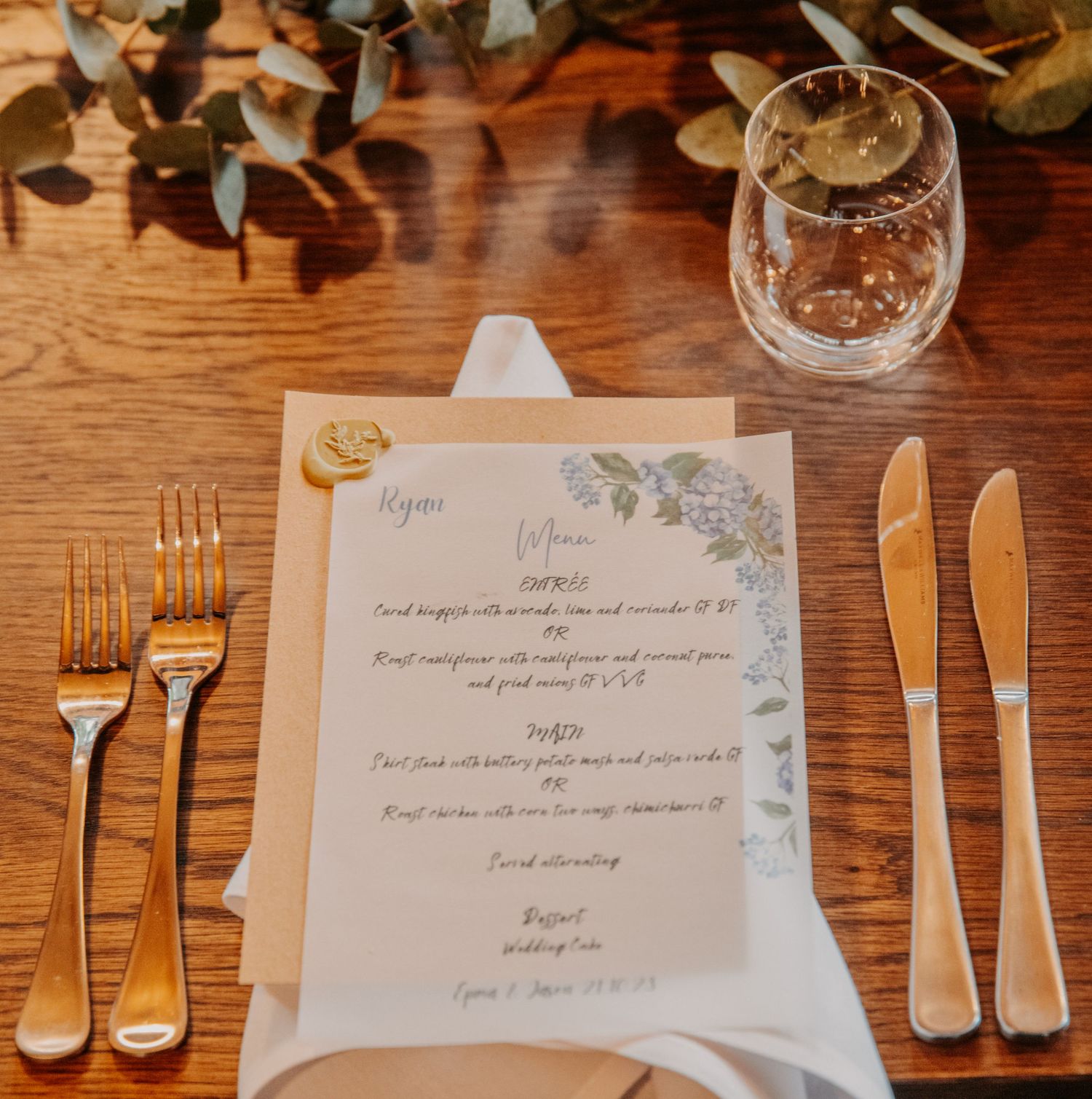
- Shots of beautifully arranged tables, desserts, and drinks.
- Capturing guests enjoying the food and toasts.
- Documenting special moments like the cake-cutting or signature cocktails.
Proper planning ensures these moments are both stress-free and photogenic.
Final Thoughts:
Providing the right amount of food and drink is crucial for guest satisfaction and the overall success of your wedding. Consider your guest list, catering style, and duration of the event. Include alternatives for dietary preferences, and plan for both formal meals and casual bites.
At Augmented Arts Weddings, we’ve seen how careful food and drink planning creates a seamless, enjoyable experience — giving couples, their guests, and their wedding photographer the freedom to focus on what matters most: celebrating love, laughter, and lasting memories.
Remember: happy, well-fed guests make for a lively reception, and properly planned refreshments ensure your wedding is remembered for all the right reasons.