Weddings are about love not just between two people, but between families. They bring together generations, cultures, and expectations. And while it’s magical, it can also be... complicated.
For many couples, the biggest challenge of wedding planning isn’t picking a dress or booking a venue it’s navigating family dynamics. Whether it’s differing opinions, cultural traditions, or emotional expectations, balancing it all can feel like walking a tightrope.
At Augmented Arts Weddings, we’ve been behind the lens at hundreds of weddings across Melbourne and beyond. We’ve witnessed quiet tears, heartfelt speeches, and sometimes, the little family tensions that surface amid the joy.
Here’s a heartfelt guide to help you handle family dynamics gracefully while keeping your wedding day true to you.
1. Acknowledge That Emotions Will Be High:
Weddings stir up emotions excitement, nostalgia, even a little anxiety. Parents might see your wedding as a milestone that signals change. Siblings might feel overlooked. Extended family might have strong opinions about what’s “right.”
That’s completely normal.
The first step is to accept that everyone’s emotions come from a place of love (even if they don’t always express it perfectly). When you see their feelings through that lens, it’s easier to respond with empathy instead of frustration.
At Augmented Arts Weddings, we often remind couples that every tear and every opinion often stems from care. The key is setting boundaries while honoring that love.
2. have the Hard Conversations Early:
It might be tempting to avoid difficult topics like who’s invited, who pays for what, or which traditions to include but those are exactly the conversations to have early on.
Sit down with your families before you dive into planning. Share your vision clearly, whether it’s a modern city celebration or a cultural fusion wedding in Melbourne.
For example:
- “We want to blend both our traditions equally.”
- “We’re planning something intimate it’s about connection, not guest count.”
- “We’d love to honor our culture, but with a modern twist.”
Clear communication upfront prevents emotional surprises later. And when families feel heard, they’re far more likely to support your choices.
3. Blend Traditions - Don't Battle Them:
Every family has traditions some sacred, some symbolic, some simply routine. But what if they don’t align with your vision?
The key is blending rather than battling traditions.
You don’t have to follow every custom exactly as it’s been done for generations. Instead, ask: What does this tradition represent? Once you understand the meaning, you can reinterpret it in a way that feels authentic.
For instance:
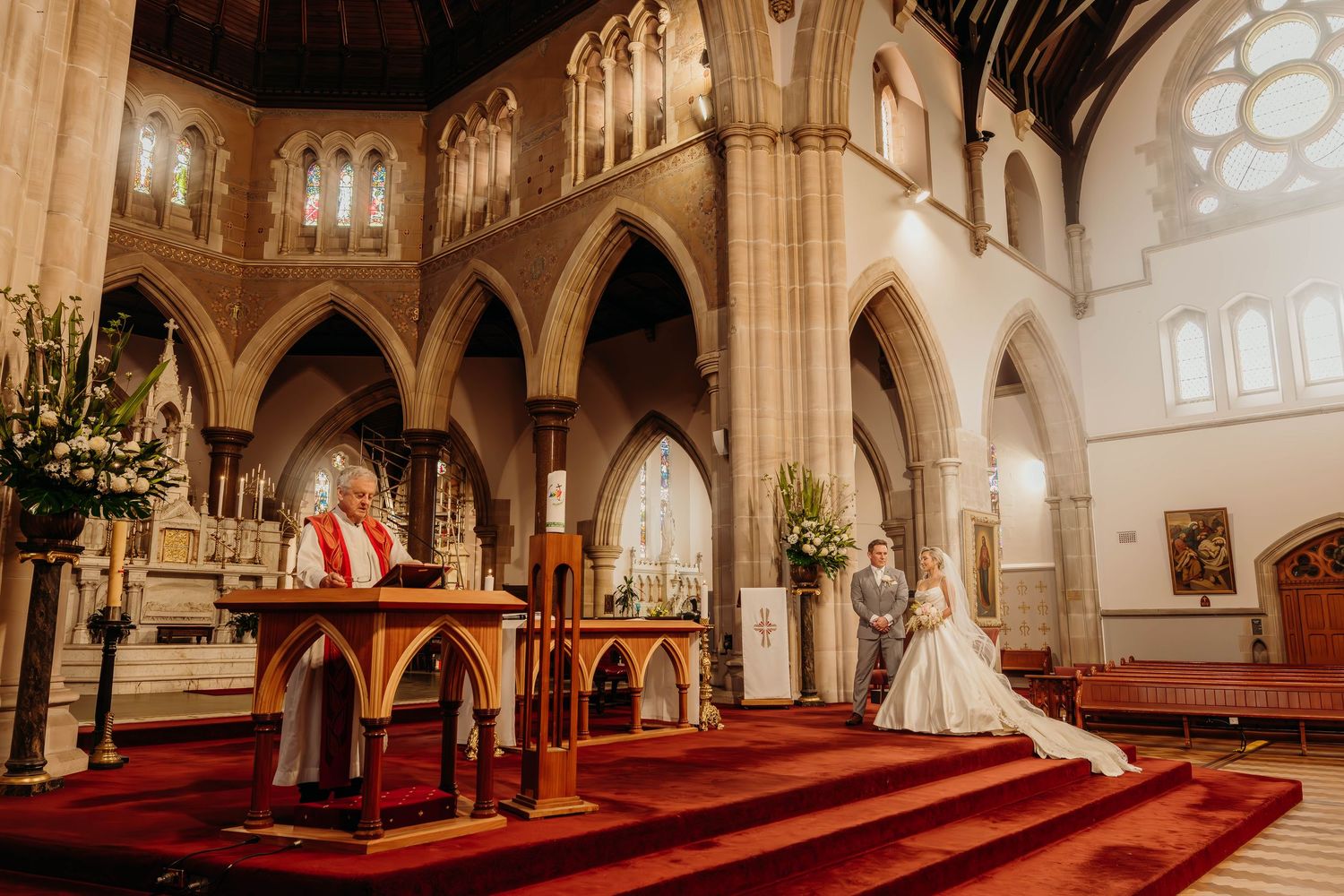
- If your family wants a religious ritual, you could include a shortened or symbolic version.
- If one culture traditionally hosts a grand ceremony, but you prefer intimacy, you can host a small family blessing before the main event.
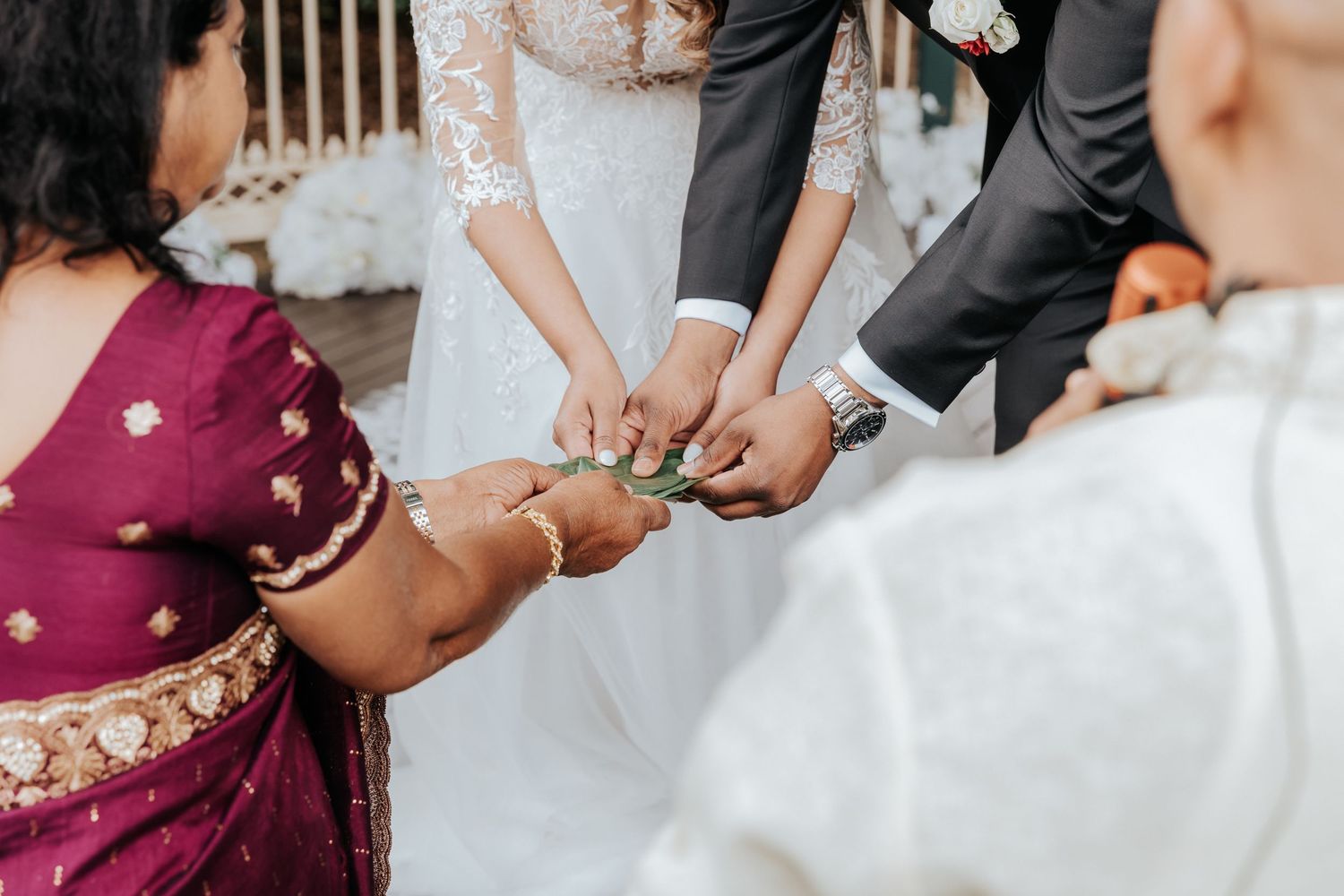
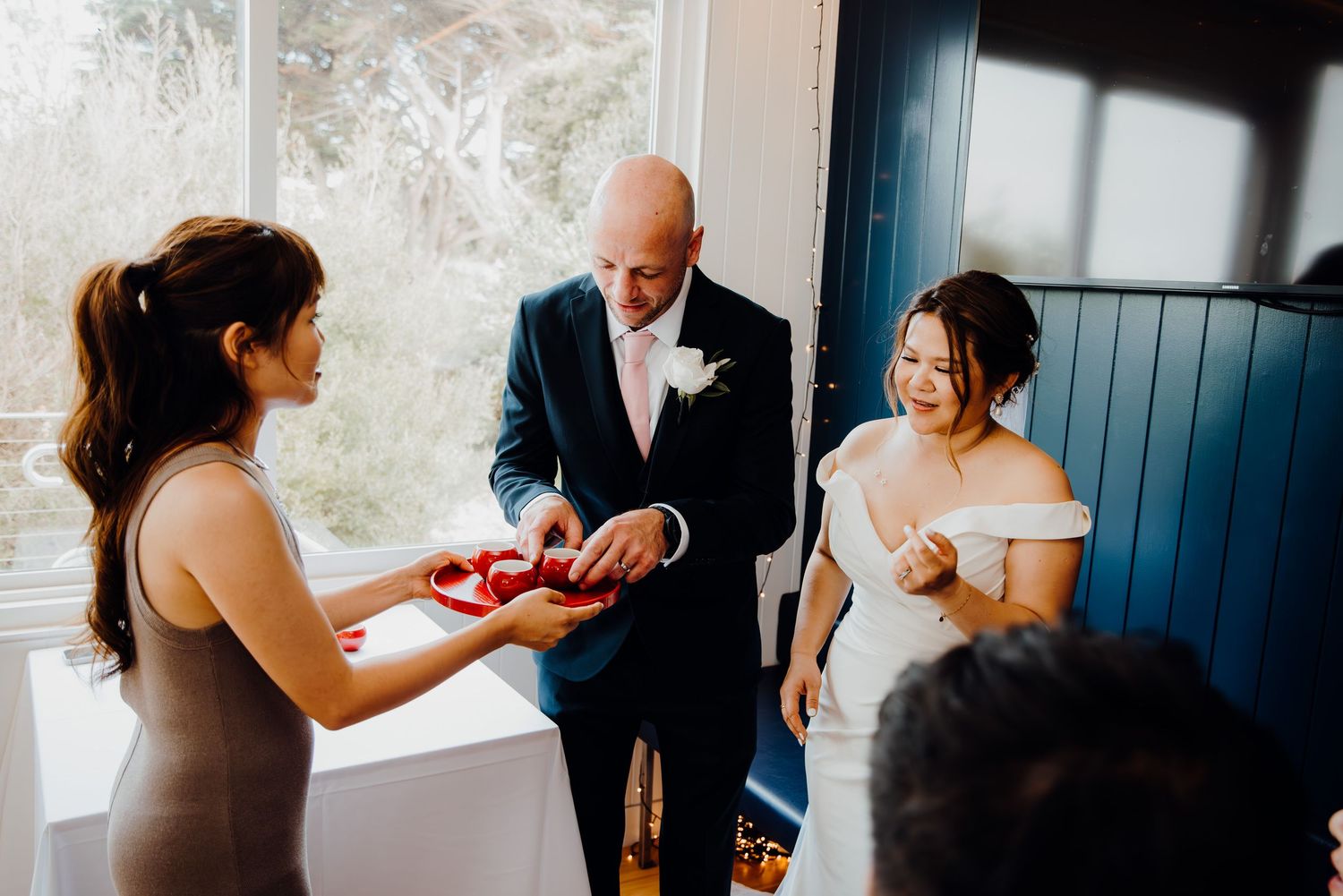
Modern couples are redefining rituals beautifully. At Augmented Arts Weddings, we’ve captured incredible moments where couples created hybrid ceremonies a nod to family while still reflecting who they are. Those moments often end up being the most emotional and memorable.
4. Choose your Allies Wisely:
Every family has that one person who loves to take charge sometimes a blessing, sometimes a little overwhelming.
It helps to delegate communication strategically. Appoint one or two trusted family members as your “point people.” They can help relay information, coordinate traditions, and manage questions so you don’t get overwhelmed.
If you’re planning a multicultural or interfaith wedding, consider appointing one representative from each side to help merge customs respectfully.
This keeps everyone involved but also keeps your sanity intact.
5. Protect Your Day from Overwhelm:
You deserve to enjoy your wedding day without worrying about who’s sitting where or who’s feeling left out.
That’s why we always tell our couples: once the day begins, let go. Hand over logistics to your planner, coordinator, or even a trusted friend.
As your wedding photographer in Melbourne, we’ve seen the difference it makes when couples focus on being present. The best photos the ones filled with raw emotion happen when you’re fully immersed in the moment, not distracted by drama.
If an unexpected situation arises (and it might), take a deep breath. Remember: this is one day out of your entire lifetime together. What matters most is the joy you share.
6. Keep Perspective on Family Expectations:
Families often have expectations shaped by their own experiences their generation, culture, or social circles. Maybe your parents had a 300-person wedding and expect the same. Or perhaps they want to invite relatives you barely know.
While it’s natural for them to want a say, remember: you and your partner are the heart of this celebration.
Here’s how to navigate it:
- Listen first. Let them explain why something matters to them.
- Acknowledge their feelings. Saying “I understand” goes a long way.
- Stand firm, kindly. You can say no without being harsh. For example:
- “We completely respect that tradition, but we want to do something more personal this time.”
You’re not rejecting your family you’re simply choosing authenticity.
At Augmented Arts Weddings, we’ve documented countless weddings where compromise led to beauty like couples merging two cultural ceremonies into one seamless story. It’s proof that respect and individuality can coexist.
7. Create Space for Everyone to Feel Seen:
Even with a clear plan, some family members might feel left out especially in big or blended families. Small gestures can make a big difference.
- Involve parents in dress fittings or décor choices.
- Give siblings meaningful roles MCs, readers, or ceremony witnesses.
- Incorporate heritage symbols, songs, or languages into your ceremony or speeches.
These details not only honor your roots but also make your loved ones feel like part of the story not just guests.
And when that love shows, it shines through in your photos. We’ve captured countless frames where a simple touch, a proud glance, or a joyful tear says everything.
8. Focus on Connection Over Perfection:
The truth? No wedding no family is perfect. There might be tension. Someone might get emotional. A plan might go off track. But that’s okay.
Your wedding doesn’t have to be flawless; it has to be real.
When you embrace imperfection and stay grounded in connection, the day flows beautifully. Some of the most powerful wedding moments we’ve filmed at Augmented Arts Weddings are the unscripted ones a parent’s quiet blessing, a last-minute laugh, or a hug that says everything words can’t.
Those are the moments that make your story yours.
9. After the Wedding - Gratitude and Reflection:
After all the excitement, take a moment to express gratitude. Write notes, make calls, or simply share photos with family members who made an impact.
Acknowledging their support helps strengthen bonds even if things were tense at times.
And when you finally sit down together to watch your wedding film or flip through your photos, you’ll see that beyond the planning, opinions, and expectations it was all love, all along.
Final Thoughts: Your Day, Your Story:
Family plays an irreplaceable role in every wedding, but your story deserves to shine too.
At Augmented Arts Weddings, we’ve learned that the most meaningful celebrations are the ones where couples honor their families while staying true to themselves. You can embrace tradition without losing individuality. You can respect expectations while choosing joy.
Whether you’re having a grand cultural ceremony or an intimate Melbourne gathering, remember your wedding is a reflection of your love, your values, and your journey together.
And when it’s captured with heart, those emotions live on in every frame, every film, and every memory.
Because in the end, families may shape the story but you are the reason it’s being told.