When couples begin planning their big day, one of the first things they think about is photography. After all, these are the images you’ll treasure for a lifetime, sharing them with family, friends, and future generations. But when it comes to choosing between elopement photography and wedding photography, many couples aren’t sure what truly sets them apart.
Both capture love stories—but the experience, style, and focus can differ significantly. In this guide, we’ll explore the key differences between the two, why it matters when planning your day, and how professionals like augmented arts weddings or an experienced wedding photographer in Melbourne can help you decide which approach best suits your vision.
What Is Wedding Photography?

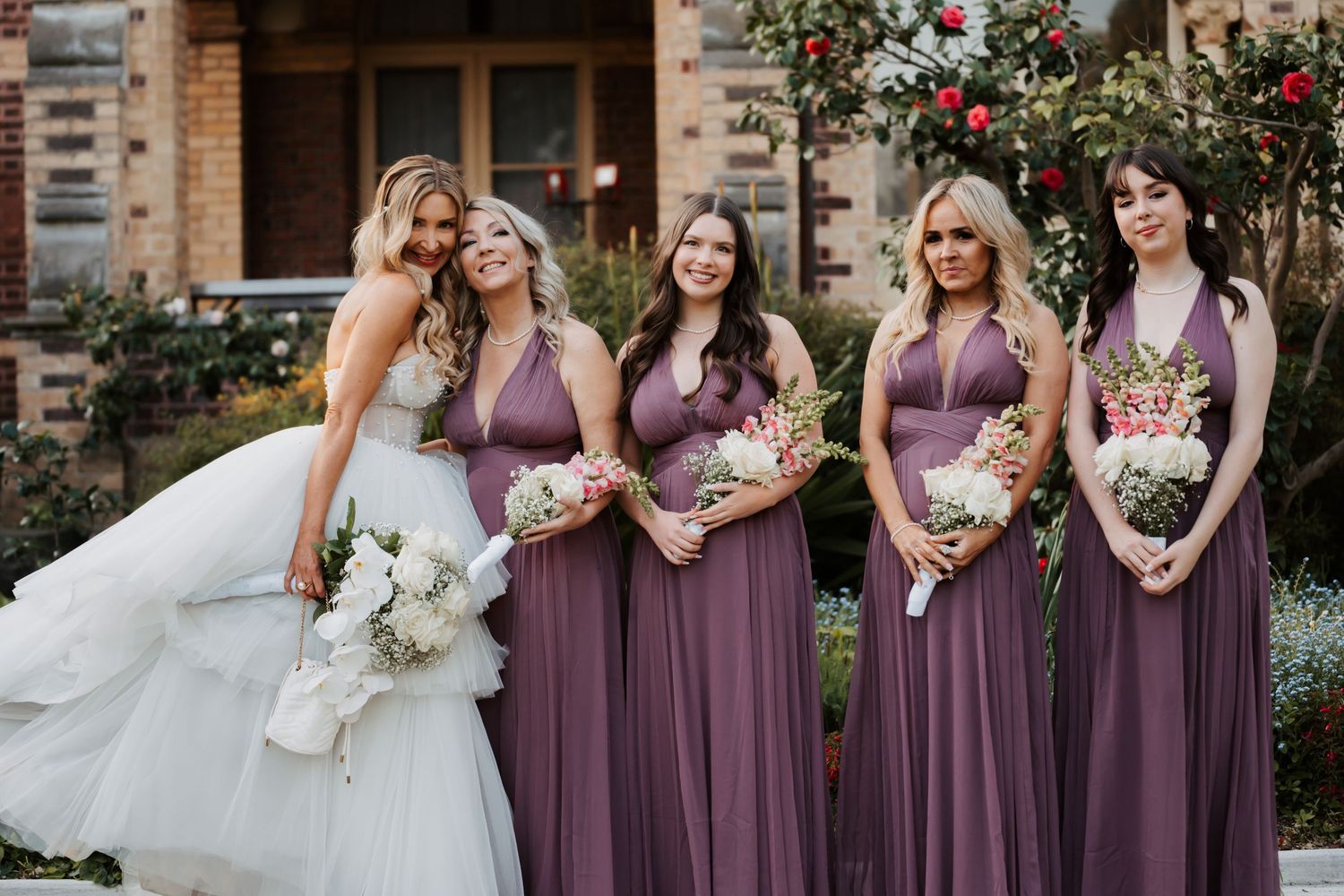
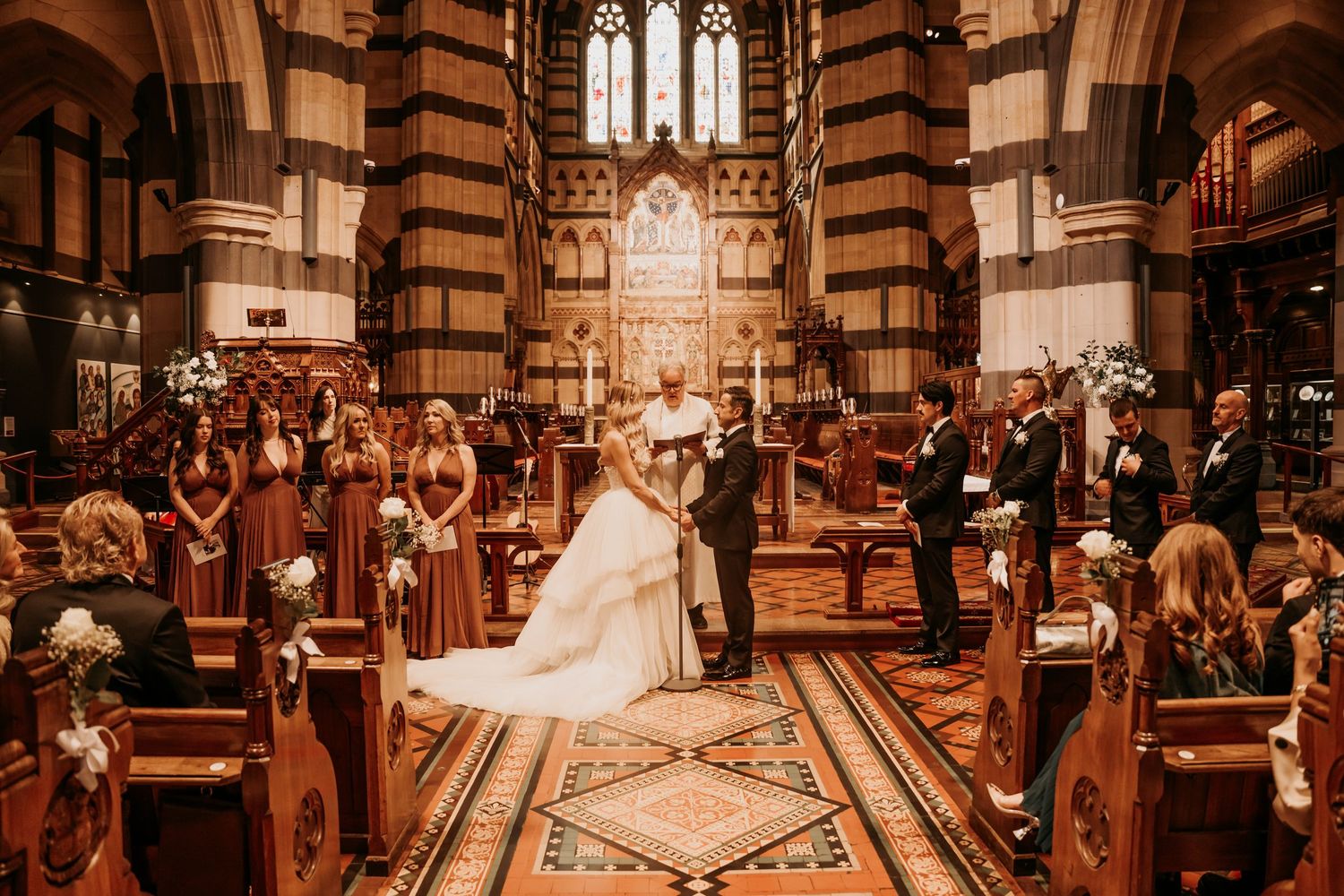
Wedding photography is what most couples think of first: a full-day documentation of a traditional wedding, complete with guests, a large venue, and countless details. It often includes:
- Pre-ceremony moments like getting ready.
- The ceremony itself with guests in attendance.
- Family and group portraits.
- The reception, including speeches, dances, and candid fun.
It’s designed to capture both the intimacy of the couple and the grandeur of the celebration.
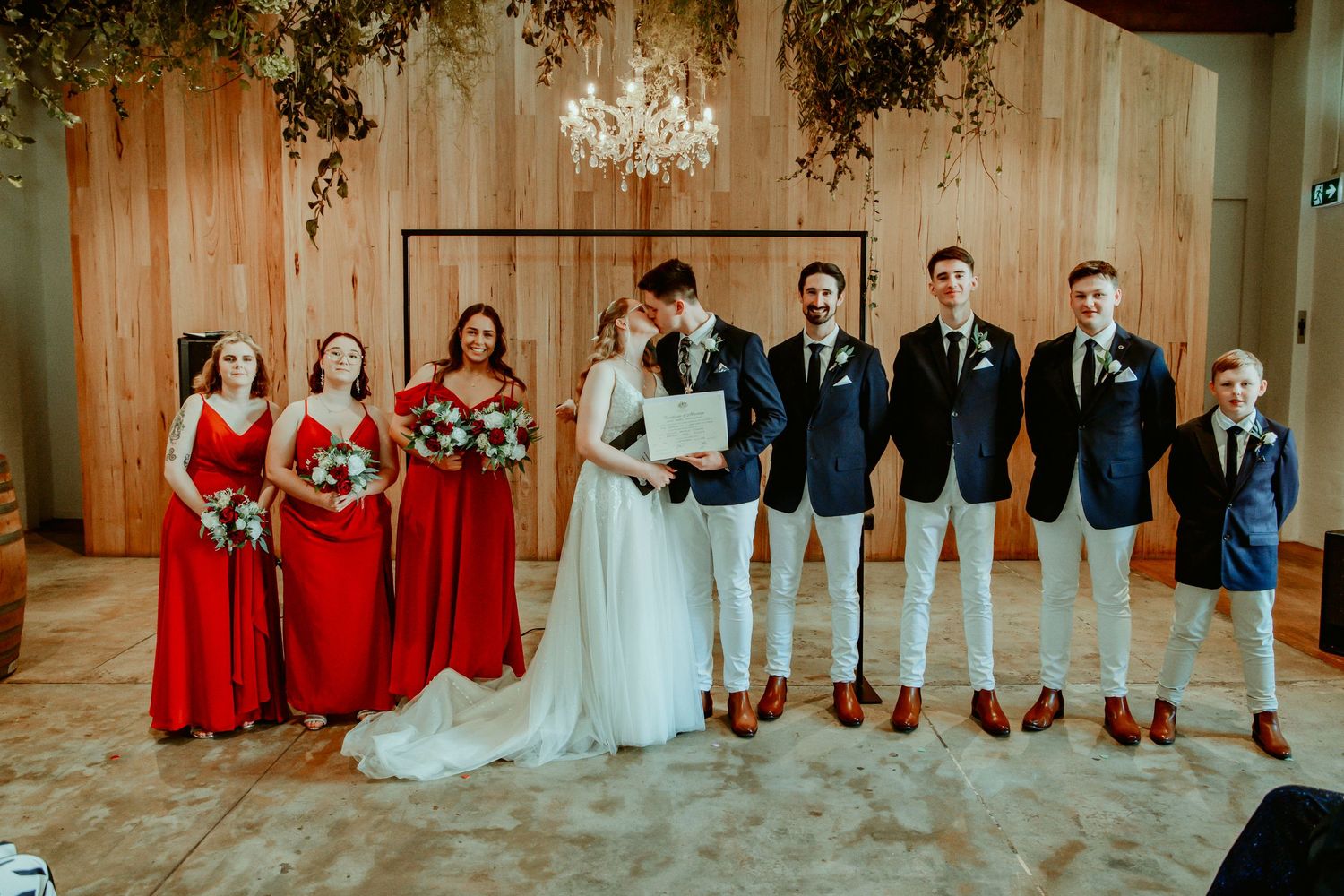
Elopement photography focuses on smaller, more intimate ceremonies—often with just the couple (and sometimes a handful of guests). Unlike traditional weddings, elopements often happen outdoors, in unique or adventurous locations, or in private settings chosen for personal meaning.
An elopement photographer documents not only the vows but also the adventure surrounding them. This can mean hiking to a cliffside, exploring city streets, or capturing private, emotional moments away from crowds.


What Is Elopement Photography?

The Key Differences Between Wedding & Elopement Photography:
1. Scale of the Event;
- Wedding Photography: Covers large gatherings, often 50–300+ guests. The photographer must capture group portraits, details of the décor, and a full event timeline.
- Elopement Photography: Focuses on the couple and their chosen setting. The photographer documents small, meaningful details rather than dozens of table settings or a long guest list.
✨ Why it matters: If you’re drawn to intimate storytelling, elopement photography may resonate more.
2. Time Commitment;
- Wedding Photography: Usually requires full-day coverage (8–12+ hours) to document every stage of the celebration.
- Elopement Photography: Often involves 2–6 hours, covering the ceremony, couple portraits, and a few special activities. Some couples book extended coverage for adventure elopements that span an entire day.
3. Focus of the Story;
- Wedding Photography: Balances the couple with the overall event—guests, décor, traditions, and venue.
- Elopement Photography: Centers almost entirely on the couple, their vows, emotions, and unique location.
✨ Why it matters: Elopements give more freedom to capture raw, authentic emotions without the distractions of large crowds.
4. Locations & Logistics;
- Wedding Photography: Usually tied to venues like churches, reception halls, or gardens. Travel between locations is common but generally limited.
- Elopement Photography: Often adventurous—mountain tops, beaches, forests, or urban rooftops. The photographer must be flexible, experienced in natural lighting, and comfortable with outdoor or destination shoots.
5. Posed vs. Candid Moments;
- Wedding Photography: Includes many posed group shots (family formals, bridal party photos) along with candid reception coverage.
- Elopement Photography: Focuses heavily on candid, emotional storytelling, with fewer formal poses and more organic interactions between the couple.
6. Creative Freedom;
- Wedding Photography: Somewhat structured—photographers follow a set timeline dictated by the event.
- Elopement Photography: Offers more creative flexibility, since the day revolves around the couple’s preferences. Photographers can experiment with lighting, landscapes, and storytelling.
7. Guest Involvement;
- Wedding Photography: Guests play a major role, from formal portraits to dancing shots.
- Elopement Photography: Guests are often absent or limited. The focus is on the couple’s bond and environment.
Which One Is Right For You?
Choosing between elopement and wedding photography comes down to what you value most.
- Choose wedding photography if you want to celebrate with loved ones, have your décor and traditions documented, and preserve the joy of a large-scale event.
- Choose elopement photography if you crave intimacy, want fewer distractions, or dream of saying your vows in a setting that feels personal and adventurous.
Why Photography Style Matters?
Regardless of which route you choose, photography is the one investment that lasts beyond your wedding day. Your flowers will fade, the cake will be eaten, but your photos will remain forever.
This is where professionals like augmented arts weddings shine. Known for capturing both traditional weddings and intimate elopements, they tailor their approach to your unique love story. Whether it’s documenting the energy of a packed dance floor or the stillness of a quiet mountain vow exchange, they ensure your story is told beautifully.
Tips For Choosing A Photographer:
- Review Portfolios: Look at past work to see if their style matches your vision.
- Ask About Experience: Elopement photography requires different skills than traditional weddings.
- Discuss Logistics: Especially for elopements—ask about travel, hiking, or outdoor experience.
- Connect Personally: Your photographer will be with you during intimate moments—make sure you feel comfortable.
- Clarify Packages: Check what’s included (hours, digital galleries, prints, travel costs).
Final Thoughts:
While both elopement photography and wedding photography share the goal of capturing love stories, the way they’re approached is very different. One emphasizes the grand celebration with family and friends, while the other highlights intimate moments and adventurous settings.
Ultimately, the choice depends on the experience you want for your big day. Whether you’re leaning toward a quiet mountaintop elopement or a vibrant city wedding surrounded by loved ones, working with professionals like augmented arts weddings or a skilled wedding photographer in Melbourne ensures your memories are preserved beautifully.
Because in the end, it’s not about the size of the celebration—it’s about having timeless images that reflect your unique story.